
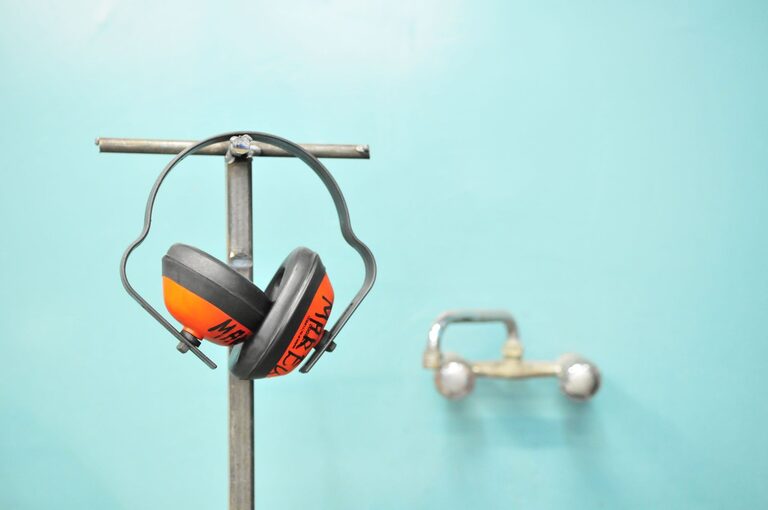
Creating a peaceful and quiet home environment can greatly enhance your comfort and well-being. Noise, whether from outside traffic, neighbors, or household activities, can be distracting and stressful. Fortunately, there are simple and practical ways to reduce noise at home without needing major renovations or expensive equipment. In this post, we’ll explore a variety of noise reduction tips that anyone can try to make their living space quieter.
Understanding Noise Sources in Your Home
Before diving into solutions, it’s helpful to identify where the noise is coming from. Common noise sources include:
– Traffic sounds through windows
– Loud conversations or music from neighboring units
– Appliances like washing machines or vacuum cleaners
– Footsteps on hardwood floors
– HVAC systems or plumbing noises
Knowing the source can help you choose the most effective noise reduction strategies.
Easy Ways to Reduce Noise at Home
1. Use Soft Furnishings to Absorb Sound
Hard surfaces reflect sound waves, making noise louder and more noticeable. Adding soft furnishings helps absorb sound, reducing echo and overall noise levels.
– Rugs and Carpets: Placing area rugs or carpets on hard floors helps muffle footsteps and absorbs ambient noise.
– Curtains and Drapes: Thick, heavy curtains over windows and walls help block outside noise and reduce sound reflection inside a room.
– Cushions and Upholstered Furniture: Sofas and chairs with fabric coverings reduce sound bounce compared to leather or vinyl.
2. Seal Gaps and Cracks
Sound can easily travel through small openings in doors, windows, and walls.
– Weatherstripping: Apply weatherstripping around doors and windows to seal gaps.
– Door Sweeps: Attach door sweeps to the bottom of doors to block noise coming underneath.
– Caulk Cracks: Check for cracks in walls or around window frames and use caulk or sealant to close them.
3. Rearrange Furniture Strategically
Furniture placement can influence how noise travels through a room.
– Bookcases and Shelves: Positioning a filled bookcase against a shared wall can act as a sound barrier.
– Sofas and Chairs: Placing seating away from noisy windows or walls can create a quieter spot.
– Wall Hangings: Thick wall tapestries or quilts can help absorb sound.
4. Add Soundproofing Materials
If you want a more dedicated solution, some affordable soundproofing materials can be effective:
– Acoustic Panels: These panels can be mounted on walls or ceilings to absorb sound and reduce echo.
– Door Seals and Soundproof Curtains: Specially designed doors and curtains block more sound than standard ones.
– Floor Underlayment: Adding a sound-absorbing underlayment beneath flooring can minimize noise transfer between floors.
5. Use White Noise or Background Sounds
Sometimes, reducing noise completely isn’t possible, but you can mask it to make it less disruptive.
– White Noise Machines: These devices produce calming sounds that cover up unwanted noises.
– Fans or Air Purifiers: Running these appliances creates consistent background hums.
– Soft Music or Nature Sounds: Playing gentle instrumental music or nature sounds can help reduce the feeling of noise disturbance.
6. Maintain Appliances
Noisy appliances often contribute significantly to household noise.
– Regular Maintenance: Keep appliances like HVAC systems, refrigerators, and washers in good working order to prevent excessive noise.
– Placement: Avoid placing loud appliances near bedrooms or quiet areas.
– Vibration Pads: Place anti-vibration pads under appliances to reduce noise caused by movement and running.
Tips for Specific Rooms
Bedroom
– Use blackout curtains combined with heavy drapes to block noise and light.
– Choose a plush rug for underfoot comfort and noise absorption.
– Place a white noise machine or fan near the bed.
Living Room
– Consider upholstered furniture and thick cushions.
– Use large bookcases or storage units along shared walls.
– Hang sound-absorbing artwork or fabric wall hangings.
Home Office
– Seal door gaps to reduce hallway noise.
– Use a door sweep for better sound blocking.
– Add acoustic panels if you make video or audio calls often.
When to Consider Professional Help
If noise is a persistent problem and these simple solutions don’t work, it might be time to consult a professional. Soundproofing experts can assess your home and recommend advanced solutions like window replacements, wall insulation upgrades, or room isolation techniques.
Final Thoughts
Reducing noise at home helps create a calm and comfortable living space where you can unwind and focus. Start with simple steps like adding rugs, sealing gaps, and rearranging furniture. Gradually, consider more effective soundproofing materials if needed. With some effort and creativity, you can enjoy a quieter home environment without major expense or disruption.
By understanding your noise sources and applying these straightforward tips, you’ll be well on your way to a more peaceful home.