
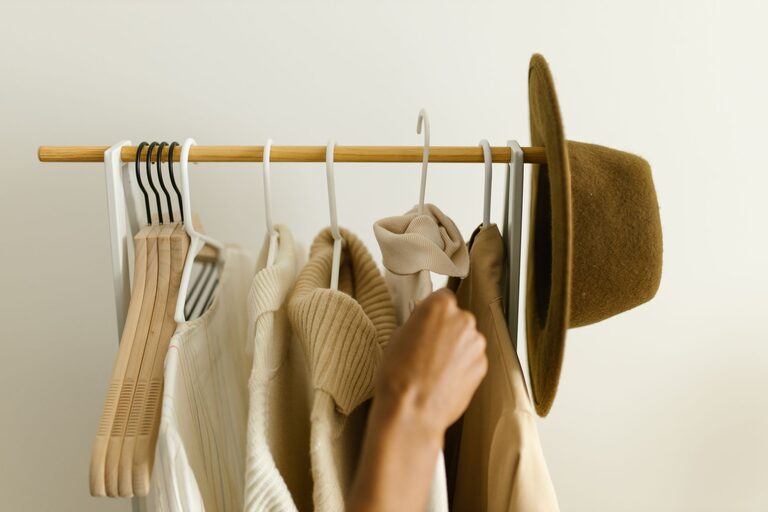
Building a capsule wardrobe is an excellent way to simplify your daily dressing routine while ensuring you always have stylish, coordinated outfits. Whether you want to save time, reduce decision fatigue, or embrace a minimalist lifestyle, creating a basic capsule wardrobe can help you achieve these goals. This guide will walk you through everything you need to know to get started.
What Is a Capsule Wardrobe?
A capsule wardrobe is a collection of essential clothing items that are timeless, versatile, and can be mixed and matched to create many outfits. Rather than owning a large number of clothes, you focus on quality over quantity, curating pieces that fit your style, body, and lifestyle.
Benefits of a Capsule Wardrobe
– Saves time: Fewer options mean less time spent deciding what to wear.
– Reduces clutter: A smaller wardrobe means a cleaner, more organized closet.
– Encourages sustainability: Buying only what you need helps reduce waste.
– Saves money: Investing in fewer, higher-quality pieces is often more cost-effective over time.
How to Start Building Your Capsule Wardrobe
Step 1: Assess Your Current Wardrobe
Before adding new items, evaluate what you already own. Go through your clothes and sort them into categories:
– Keep
– Donate or sell
– Store (seasonal pieces)
– Repair or alter
Focus on keeping pieces you love, that fit well, and that you wear regularly.
Step 2: Define Your Style and Needs
Think about your daily activities, climate, and personal style preferences. Ask yourself:
– What kind of clothes do I wear most often?
– What colors do I feel comfortable in?
– Are my clothes suited for my work, hobbies, or social life?
This step helps you choose pieces that are both practical and enjoyable to wear.
Step 3: Choose a Color Palette
Select a few neutral base colors that mix well together, such as black, white, gray, beige, or navy. Add two or three accent colors that complement the neutrals and reflect your personality. Limiting your color palette makes it easier to create coordinated outfits.
Step 4: Select Core Pieces
Here are essential items commonly found in a basic capsule wardrobe:
– Tops: A mix of t-shirts, blouses, and sweaters in neutral colors.
– Bottoms: A pair of well-fitting jeans, tailored trousers, and a skirt or shorts.
– Outerwear: A versatile jacket or coat that matches most outfits.
– Dresses: One or two simple dresses suitable for various occasions.
– Shoes: Comfortable sneakers, flats, and a pair of dress shoes or boots.
– Accessories: A versatile bag, scarves, and minimal jewelry.
Adjust this list based on your climate and lifestyle.
Maintaining Your Capsule Wardrobe
Keep It Seasonal
Rotate your wardrobe with the seasons. Store out-of-season clothes neatly to keep your closet manageable and avoid clutter.
Monitor Wear and Quality
Pay attention to how often you wear each item. If something doesn’t get used much, consider donating it. Also, monitor the condition of your clothes and repair or replace items as needed.
Shop Mindfully
When purchasing new items, choose pieces that fit your capsule criteria: versatility, quality, comfort, and style. Avoid impulse buys that don’t coordinate with your current collection.
Tips for Success
– Start small: Build your capsule gradually instead of overhauling your entire wardrobe at once.
– Mix and match: Experiment with layering and combining pieces in new ways.
– Prioritize fit: Well-fitting clothes look better and boost your confidence.
– Personalize: Add statement pieces or colors that express your unique style within your capsule.
Conclusion
Creating a basic capsule wardrobe is a practical and enjoyable way to simplify your closet and daily dressing routine. By carefully selecting versatile, timeless pieces that suit your lifestyle and taste, you can build a wardrobe that saves time, reduces stress, and reflects your personal style. Start with the essentials, keep your color palette cohesive, and maintain your collection with mindful shopping and regular reviews. With these steps, your capsule wardrobe will become a valuable part of your daily life.